
Small Moments, Lasting Peace

Step into a practical exploration of micro-rituals for everyday calm, where tiny, repeatable moments transform ordinary transitions into steady anchors. We blend gentle neuroscience, field-tested habits, and warm anecdotes to help you unwind faster, focus longer, and recover smoothly between tasks. Try a few today, share results with us, and shape a calmer rhythm without waiting for perfect circumstances.

Morning Sparks That Steady Your Day

Before demands multiply, infuse your first minutes with light, breath, scent, and a handwritten cue. These compact practices do not ask for extra time; they simply redirect it. By anchoring attention early, you buffer stress reactivity, smooth decision-making, and invite a quietly confident momentum that carries through emails, commutes, and conversations without draining precious energy.

Sixty Seconds of Sunlit Breathing

Stand by a window, place one hand on your belly, and inhale for four counts, exhale for six. Morning light nudges circadian timing while longer exhales calm the nervous system. In a week, you may notice softer jaw tension, steadier focus, and a friendlier mood greeting the day instead of rushing to outpace it.

Steam, Scent, and a Single Intention

While the kettle hums, breathe in the rising warmth and choose one clear intention, written on a sticky note: move slowly, listen fully, finish one thing. Scent pairs powerfully with memory, reinforcing your choice each sip. When distractions appear, the aroma recalls your promise, turning coffee or tea into your quiet morning compass.

Midday Anchors When the Pace Accelerates

As hours compress and tasks collide, restore steadiness with strategic pauses woven into transitions you already make. Doorways, inbox refreshes, and calendar alerts become reliable cues. These anchors lower cognitive load, reduce stress spikes, and return you to purposeful action. Share which anchor helps most, and invite colleagues to co-create calmer team rhythms.
Each time you pass through a doorway, pause your feet, soften your shoulders, and release one slow exhale. This tiny boundary marks a shift from what just happened to what matters next. After several days, meetings feel less like collisions and more like chapters, each beginning with a breath you chose on purpose.
Set a timer, clear ten items or less from your desk, and align what remains with the next priority. Visual order reduces micro-irritations your brain must filter unconsciously. The timer preserves momentum, turning tidying into a refreshing reset rather than procrastination. Celebrate completion by naming your next single action aloud for clarity.

Evening Wind-Downs That Welcome Rest

Evenings can dissolve into scrolling and unfinished thoughts. Replace that drift with small, sensory cues that tell your body you are safe to slow. Gentle light, cooler air, and short reflective writing prepare deep rest. Consistency matters more than duration, and a compassionate reset beats perfection whenever life tumbles the plan.

Science in Small Doses

Understanding why tiny practices work strengthens motivation when enthusiasm dips. Simple principles from physiology and behavioral science explain calmer breathing, easier habit formation, and smarter breaks. These ideas require no complex jargon; they translate into actions you can test today, measure tomorrow, and refine next week to fit your unique life.

Vagus Nerve and the Extended Exhale

Prolonged exhalation nudges the parasympathetic system, decreasing heart rate variability strain and softening stress responses. Try box or 4-6 breathing for two minutes after intense tasks. Notice fewer racing thoughts and faster baseline recovery, turning breath from afterthought into instrument you carry everywhere, tuned for steadiness under ordinary, unpredictable pressure.

Habit Stacking and Cue Clarity

Behaviors latch onto existing routines more reliably than they form in empty space. Attach micro-rituals to clear anchors—after I pour coffee, I breathe; before I open email, I plan one action. Precise cues reduce decision fatigue, shrinking resistance so repetition becomes automatic and consistency emerges without heroic willpower each morning.

If-Then Cards on the Fridge

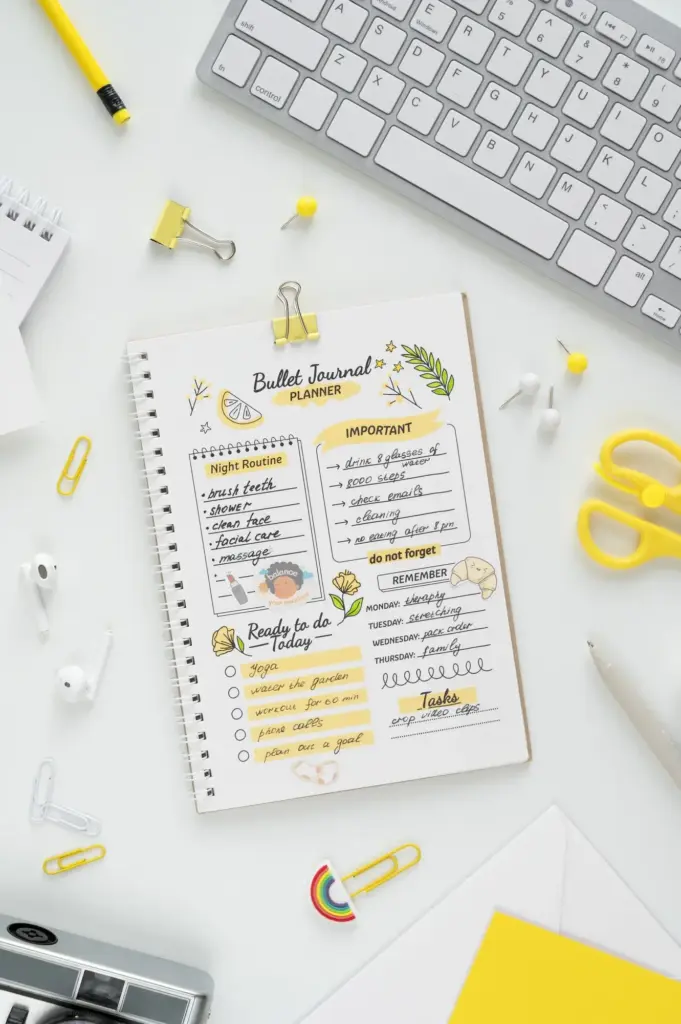
Create three index cards: if I feel overwhelmed, then I take two extended exhales; if I stall, then I write the tiniest next step; if I ruminate, then I walk the hallway. Visible placement converts foggy intentions into crisp triggers, making action immediate even when motivation feels temporarily unreliable or thin.

Friction for Distractions, Ease for Rest

Move tempting apps to a folder on the last screen and enable grayscale after sunset. Place your book and warm socks within arm’s reach of the couch. The contrast matters: harder to slip into mindless scrolling, simpler to choose soothing options. This asymmetry quietly guides choices without arguments or exhausting self-control.

Aroma and Sound Signatures

Select one gentle scent for focus and another for unwinding, alongside instrumental playlists you genuinely enjoy. Use them only during those states to build strong associations. Over days, your brain anticipates the desired mode the moment fragrance or melody appears, accelerating entry into calm or concentration like opening a familiar, welcoming door.
Buddy Chain with Forgiving Links

Pair up and send one daily checkmark when you complete any calming micro-ritual. If a day slips, simply restart—no drama, no tally of misses. Forgiveness keeps momentum warm. After a month, review messages together and notice patterns that suggest smarter cues, better timing, or charming variations worth keeping.

Emoji Check-Ins That Invite Honesty

Use three emojis to summarize mood, energy, and focus at lunch. The minimal format lowers the bar to share authentically, while still revealing patterns across busy weeks. Over time, the group spots gentle tweaks that matter: earlier walks, dimmer lighting, quicker resets. Celebrate experiments more than outcomes to sustain curiosity.

Monthly Micro-Challenges

Choose a collective challenge, like one extended exhale at every doorway or three-line reflections each night. Keep it light, track progress with a shared document, and swap micro-stories about surprising wins. These seasonal sprints refresh motivation, prevent staleness, and showcase how small consistency outperforms occasional heroic efforts in building dependable calm.