Small Steps, Calmer Days: Evidence-Based Stress Soothers

Today we are focusing on science-backed mini interventions to lower daily stress – brief, repeatable practices validated by clinical and behavioral research. You will learn fast breathing resets, microbreaks, light and movement nudges, and tiny cognitive shifts. Try one now, share your experience in the comments, and save your favorites for busy moments.

The 60-Second Reset: Breathing You Can Feel Working

Simple breathing patterns change carbon dioxide levels and vagal tone within a minute, easing physical tension before thoughts spiral. Research on paced breathing and the two-sigh sequence shows rapid reductions in arousal. Practice these tiny protocols between meetings or while waiting for a page to load, then notice how posture, focus, and mood shift together with each intentional exhale.

Physiological Sigh in Two Breaths

Through your nose, take one steady inhale, then a quick top-off sniff; release a long, unforced mouth exhale. Repeat one to three times. This reduces CO2 efficiently, calming interoceptive alarms. Use during inbox spikes, traffic lights, or unexpected interruptions to regain clarity quickly.


Box Breathing During Transitions

Inhale for four, hold for four, exhale for four, hold for four, repeating for one minute. The gentle rhythm steadies attention and heart rate variability. Pair it with doorway crossings or calendar switches to ritualize recovery between cognitively demanding segments without losing momentum.

4-7-8 for Evening Wind-Down

Inhale four counts, hold seven, exhale eight, continuing for two to four cycles. The extended exhale favors parasympathetic shift, helping rumination give way to drowsiness. Use after screens, pairing with dimmed lights and gentle music, then record how quickly calm arrives tonight.

Microbreaks That Protect Focus

Brief pauses restore energy and accuracy without derailing productivity. Meta-analyses show microbreaks of thirty to ninety seconds can reduce fatigue and improve performance, especially when they involve movement or visual change. These quick interludes help you return stronger, not guilty, by de-coupling effort from strain and letting your attentional system reset before the next challenge lands.

Cognitive Tiny Tweaks

Fast mental reframes can interrupt catastrophizing and reduce perceived threat. Studies on affect labeling, gratitude, and implementation intentions show small, well-timed words meaningfully lower stress markers and improve follow-through. Use these short scripts when your inner narrator grows loud, so your actions track values, not fear.

Name It to Tame It in One Sentence

State the feeling plainly - "I feel pressure and uncertainty" - then add a compassionate intention like, "and I can take one helpful step." Labeling reduces amygdala reactivity, creating space for choice. Comment with your sentence today, and notice how your shoulders respond afterward.

Gratitude Sticky-Note That Travels

Write one specific appreciation about someone you will see today, then pocket the note and share it aloud. Prosocial expression protects mood and buffers stress hormones. Tiny acknowledgments build connection, which research links to resilience. Tell us whose day you brightened and how it felt.

Physiology Nudges You Can Do at Your Desk

Your body offers rapid input channels you can access without leaving your chair. Cold water on the face, a posture release, or a hydration microdose can quiet stress signals quickly. Pair these with natural pauses, and let physical ease ripple into kinder thoughts and steadier decisions.

Light, Sound, and Motion

Your environment whispers to your nervous system all day. Strategic light, rhythmic sound, and short bursts of movement can guide arousal up or down quickly. Use these cues thoughtfully to steady mornings, rescue slumps, and prime recovery before sleep without elaborate routines.

Morning Light Minute by a Window

Within an hour of waking, get one minute of bright outdoor light or stand by a window and look toward the sky, not screens. Light anchors circadian clocks, improving alertness now and sleep later. Share tomorrow’s wakefulness rating after trying this tiny habit.

Sixty Seconds of Rhythm

Play calm instrumental music or a binaural track while breathing evenly for one minute. Rhythmic auditory input helps entrain pacing and reduce mental chatter. If you find a track that works, post the link for others and pin it for future tough days.

Stair Burst Before Calls

Climb a flight or march in place for forty seconds, then take a slow exhale before you unmute. Brief movement elevates mood-enhancing chemicals and primes confidence. Notice how your voice steadies, and tell us whether the conversation felt easier than usual.

Three-App Rule for the Next Ten Minutes

Close everything except one work window, one reference, and one communication channel. Announce your brief focus period if needed. This tiny fence drops switching costs, calms the buzzing urgency illusion, and often completes the most nagging task faster than expected.

Polite Pause Script

When a request arrives, reply, “Happy to help; I can send a first pass by 3 pm.” Clear expectations shrink invisible stress. Keep a short template ready, adjust timelines thoughtfully, and ask readers here to share lines that maintain kindness while guarding bandwidth.

One-Line Log After Each Intervention

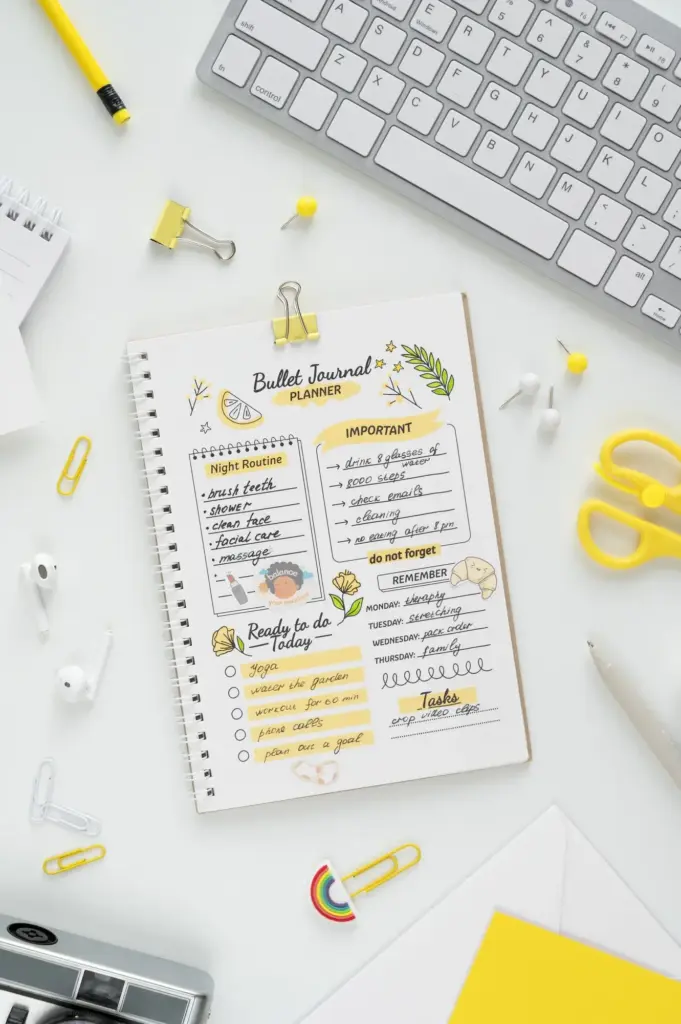
Write the method you used, the context, and a quick rating from one to ten. Pattern spotting emerges within days, revealing which actions soothe mornings versus afternoons. Post a snapshot of your log, and borrow ideas from fellow readers’ experiments.

Weekly Five-Minute Review

Set a timer and scan your entries, highlighting two reliable resets and one practice to drop. Adjust your environment or cues accordingly. Share your shortlist with us, and notice how deciding what not to do also lightens your week.

Tiny Rewards That Stick

After any mini practice, pair a small celebration – stretch, smile, or checkmark – with a kind phrase. Reward signals consolidate habits. Publicly acknowledge your progress here, invite accountability, and let others see that everyday relief grows from frequent, friendly, doable moments.